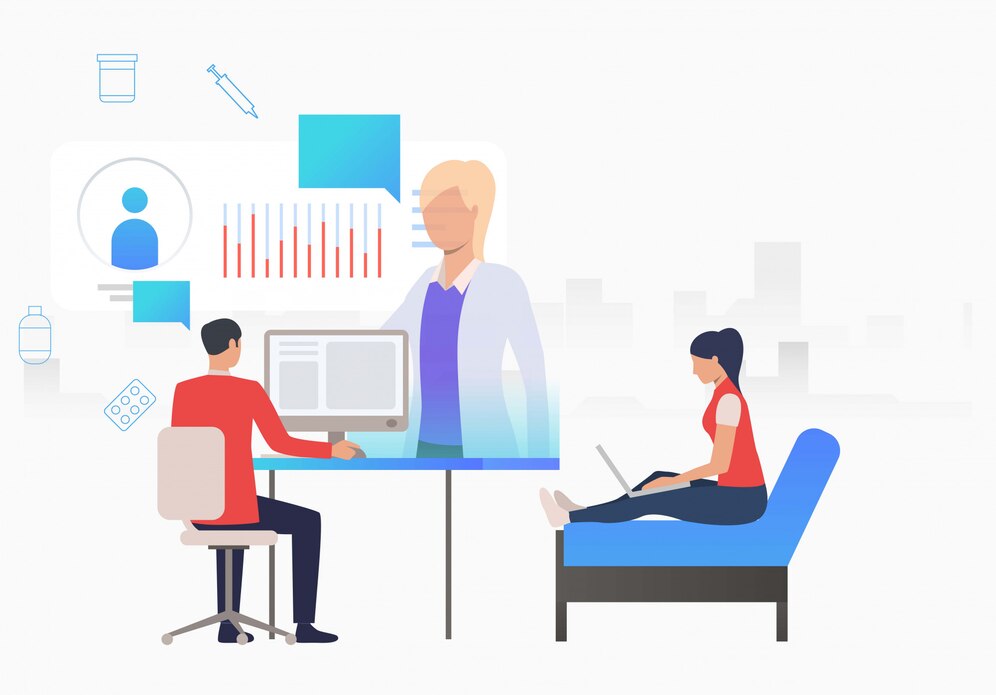
Screening interviews were designed to filter. Somewhere along the way, they became mini-evaluations.
TA leaders know the pattern. Recruiters conduct initial calls. Hiring managers ask for a quick technical screen “just to validate.” Then another stakeholder joins to double-check communication or culture alignment. What should have been a 20-minute filter becomes two or three touchpoints before the candidate even reaches serious consideration.
This is the operational gap Human Avatar Interviews by JobTwine are built to solve, not by accelerating manual screening, but by fully automating it with structured intelligence.
The Overlooked Bottleneck: Screening Is Draining Strategic Hiring Capacity
When we look at enterprise and GCC hiring dashboards, sourcing often appears optimized. ATS workflows are mature. Pipelines are healthy. But the interview stage, especially screening, remains deeply manual.
According to research from LinkedIn Talent Solutions, recruiters spend a significant portion of their time on early-stage candidate evaluation rather than strategic workforce planning or stakeholder alignment.
(https://business.linkedin.com/talent-solutions/recruiting-tips/global-talent-trends)
The result?
- Senior engineers pulled into repetitive validation rounds
- Recruiters juggling scheduling across time zones
- Inconsistent early-stage evaluation quality
- Escalating interviewer fatigue
The paradox is clear: organizations invest in sourcing technology but leave screening dependent on human bandwidth.
What Are Human Avatar Interviews?
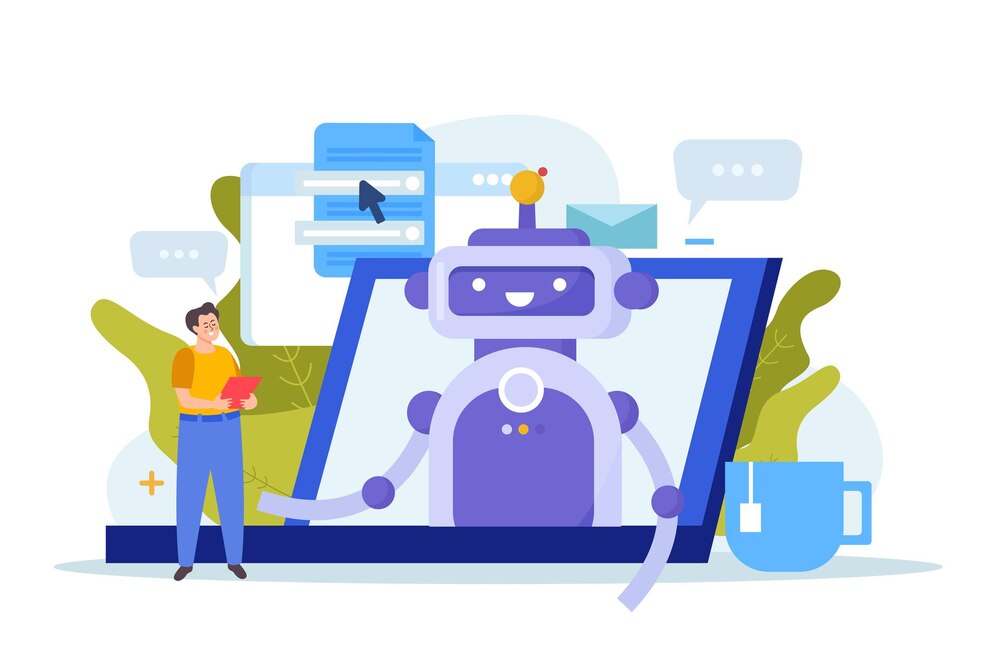
Human Avatar Interviews are AI-driven, interactive screening conversations conducted by a realistic digital interviewer. They are designed to fully automate structured screening interviews while preserving depth, consistency, and fairness.
Unlike static one-way video tools, these interviews are conversational. The system asks role-specific questions, adapts follow-ups based on candidate responses, captures structured evaluation data, and produces actionable insights, without requiring a recruiter or hiring manager to attend.
Under the hood, this capability is powered by JobTwine’s broader AI Interview Copilot architecture, which already supports human interviewers with structured intelligence. Human Avatar Interviews extend that intelligence into a fully automated screening layer.
The difference is not cosmetic. It’s structural.
How Human Avatar Interviews Fully Automate Screening, Without Reducing Signal
1. AI Interview Copilot Intelligence, Without the Human in the Room
The same logic that supports interviewers in live settings through an AI Interview Copilot can be applied to autonomous screening.
The system:
- Maps questions to predefined competencies
- Dynamically generates follow-up probes
- Analyzes responses in real time
- Scores candidates against structured criteria
This is not keyword matching. It’s contextual evaluation.
For TA leaders, this means screening quality becomes consistent, independent of recruiter experience or interviewer style.
2. Eliminating Redundant Screening Rounds
One of the biggest drivers of interview inflation is weak screening.
When early-stage conversations lack depth, hiring managers compensate by adding more interviews downstream. “Let’s do one more round to validate.” Multiply that across roles, and interviewer load spikes.
Human Avatar Interviews reduce this redundancy by capturing:
- Technical baseline competency
- Communication clarity
- Role alignment
- Behavioral indicators
When screening is structured and data-backed, downstream rounds can focus on deeper evaluation rather than re-validation.
This philosophy aligns with JobTwine’s thinking on consolidating interview stages through intelligence, explored in our perspective on why interview intelligence is reshaping hiring workflows.
3. Removing Scheduling Friction Entirely
Screening delays are often logistical, not evaluative.
Recruiters coordinate calendars. Hiring managers reschedule. Candidates wait. For GCCs operating across regions, this compounds quickly.
Human Avatar Interviews operate asynchronously:
- Candidates complete interviews at their convenience
- No panel coordination required
- Screening runs 24/7
Research from Deloitte’s Human Capital Trends highlights that AI-driven HR workflows reduce operational friction and improve responsiveness in talent acquisition.
(https://www2.deloitte.com/global/en/pages/human-capital/articles/introduction-human-capital-trends.html )
For TA leaders measured on time-to-hire and stakeholder satisfaction, removing scheduling from screening is a structural advantage.
4. Consistency Across Enterprise and GCC Hiring
Large organizations struggle with evaluation drift. One recruiter probes deeply. Another sticks to surface questions. One hiring manager prioritizes culture; another focuses solely on technical skill.
Human Avatar Interviews introduce standardized evaluation at scale. Every candidate is assessed against:
- Identical competency models
- Structured follow-up logic
- Unified scoring frameworks
This creates alignment across headquarters and GCC teams, especially critical when hiring volumes surge.
JobTwine’s broader Interview-as-a-Service approach emphasizes this consistency across distributed hiring teams, as discussed in our insights on scaling without sacrificing quality in AI interviews.
5. Candidate Experience: Structured, Not Impersonal
Automation often raises concerns about candidate experience.
But the reality is that many manual screening calls are rushed, repetitive, and inconsistent. Candidates repeat resume details. They receive limited clarity about evaluation criteria.
Human Avatar Interviews provide:
- Clear, structured questioning
- Equal evaluation standards
- Interactive engagement
According to SHRM, candidates increasingly value transparency and fairness in interview processes, particularly when AI is involved.
(https://www.shrm.org)
When screening becomes consistent and competency-driven, it signals professionalism, not impersonality.
A Practical Framework: When Should TA Leaders Automate Screening?
Human Avatar Interviews are most impactful in environments where screening is:
High-volume
Large pipelines across similar roles.
Repeatable
Competency-based roles with defined evaluation criteria.
Resource-intensive
Where senior stakeholders spend time validating baseline fit.
If your organization experiences:
- More than one screening round per candidate
- Interviewer fatigue in early-stage hiring
- Delays caused by panel scheduling
- Variability in screening quality
It’s a signal that screening is operating manually when it doesn’t need to.
The decision is not whether AI can conduct screening. The question is whether human time is best spent there.
How AI Interview Copilot and Human Avatar Interviews Work Together
Human Avatar Interviews are not isolated automation. They sit within a broader ecosystem of interview intelligence.
For later-stage evaluations, human interviewers supported by an interview AI copilot receive:
- Live prompts
- Real-time structured note capture
- Competency alignment support
This ensures continuity between automated screening and human-led deep evaluation. Screening doesn’t exist in a silo; it feeds structured data into downstream decision-making.
That continuity is what differentiates an integrated AI Interview Copilot platform from disconnected video tools.
What Smart TA Leaders Are Doing in 2026
Forward-thinking TA leaders are reclassifying screening as an operational function, not a strategic one.
They:
- Automate baseline validation
- Preserve human bandwidth for complex evaluation
- Use structured data to reduce interview rounds
- Track interviewer load as a business metric
According to Gartner, organizations that redesign hiring workflows around AI augmentation see stronger improvements in both speed and quality compared to those that simply layer tools onto legacy processes.
(https://www.gartner.com/en/human-resources)
The shift is subtle but important: they’re not adding automation. They’re redesigning the interview lifecycle.
Conclusion: Screening Doesn’t Require More Interviews, It Requires Structure
TA leaders don’t struggle because they lack technology. They struggle because interviews, especially screening, are still dependent on human availability for tasks that can be standardized.
Human Avatar Interviews by JobTwine fully automate screening interviews using structured AI Interview Copilot intelligence. The impact isn’t just faster scheduling. It’s fewer redundant rounds, lower interviewer load, and more defensible hiring decisions.
The future of screening isn’t about replacing human judgment.
It’s about ensuring human judgment is used where it matters most.